Our treatments
Wisdom Teeth Removal in Kelowna and Vernon
At Okanagan Oral & Maxillofacial Surgery, our oral and maxillofacial surgeons assess your wisdom teeth, explain whether removal or monitoring is appropriate, and develop a treatment plan based on your individual needs.
Wisdom teeth don’t always need to be removed. Some grow into a healthy position, while others become impacted, cause discomfort or affect neighbouring teeth.
We provide wisdom teeth consultations and surgical care at our Kelowna and Vernon offices.
When Is Wisdom Teeth Removal Recommended?
Wisdom teeth, also called third molars, are the last teeth to develop at the back of the mouth. While some emerge normally, others may not have enough room to erupt or remain difficult to clean.
Removal may be recommended when wisdom teeth are associated with:
Repeated gum inflammation or infection
Tooth decay or difficulty maintaining oral hygiene
Damage to neighbouring molars
Pain or other symptoms related to their position
Cysts or other conditions affecting the surrounding tissues
Not every wisdom tooth requires surgery. Your surgeon will consider your symptoms, oral health, imaging and the risks of removal versus continued monitoring.
Impacted Wisdom Teeth
An impacted wisdom tooth has not fully erupted into a normal, functional position. It may be partially covered by gum tissue or remain within the jawbone. Impacted wisdom teeth do not always cause symptoms, but their position can often create problems for the surrounding teeth and gums.
Soft Tissue Impaction
The tooth has emerged through the bone but remains partially covered by gum tissue, creating an area that may be difficult to clean.
Partial Bony Impaction
Part of the tooth remains within the jawbone. Its position may affect cleaning access or the neighbouring second molar.
Complete Bony Impaction
The tooth remains enclosed within the jawbone. Its depth, angle and relationship to nearby structures influence surgical planning.
Your treatment journey
What Happens During Wisdom Teeth Removal?
Treatment depends on the number, position and complexity of the teeth being assessed.
1
Consultation and
Assessment
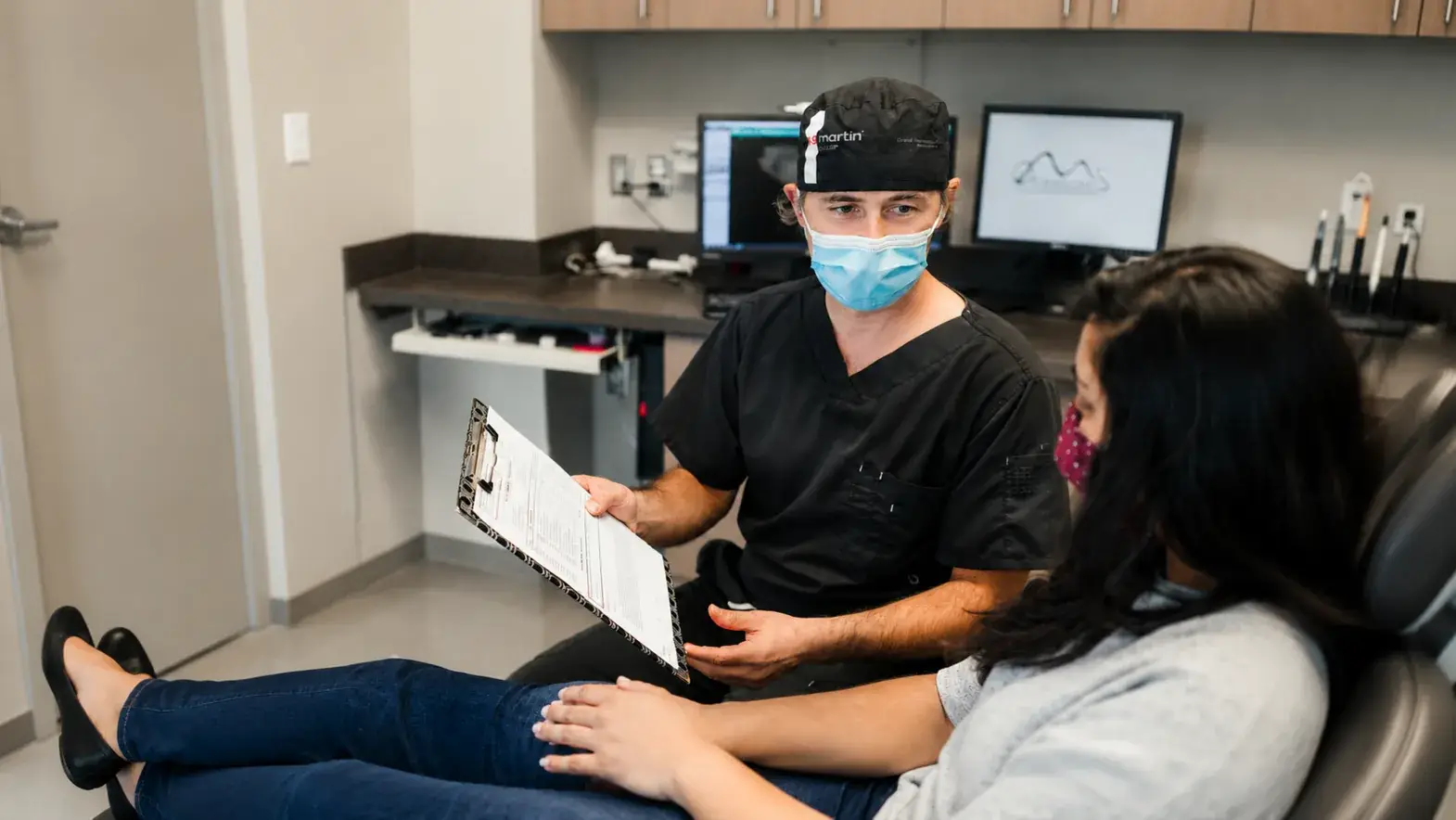
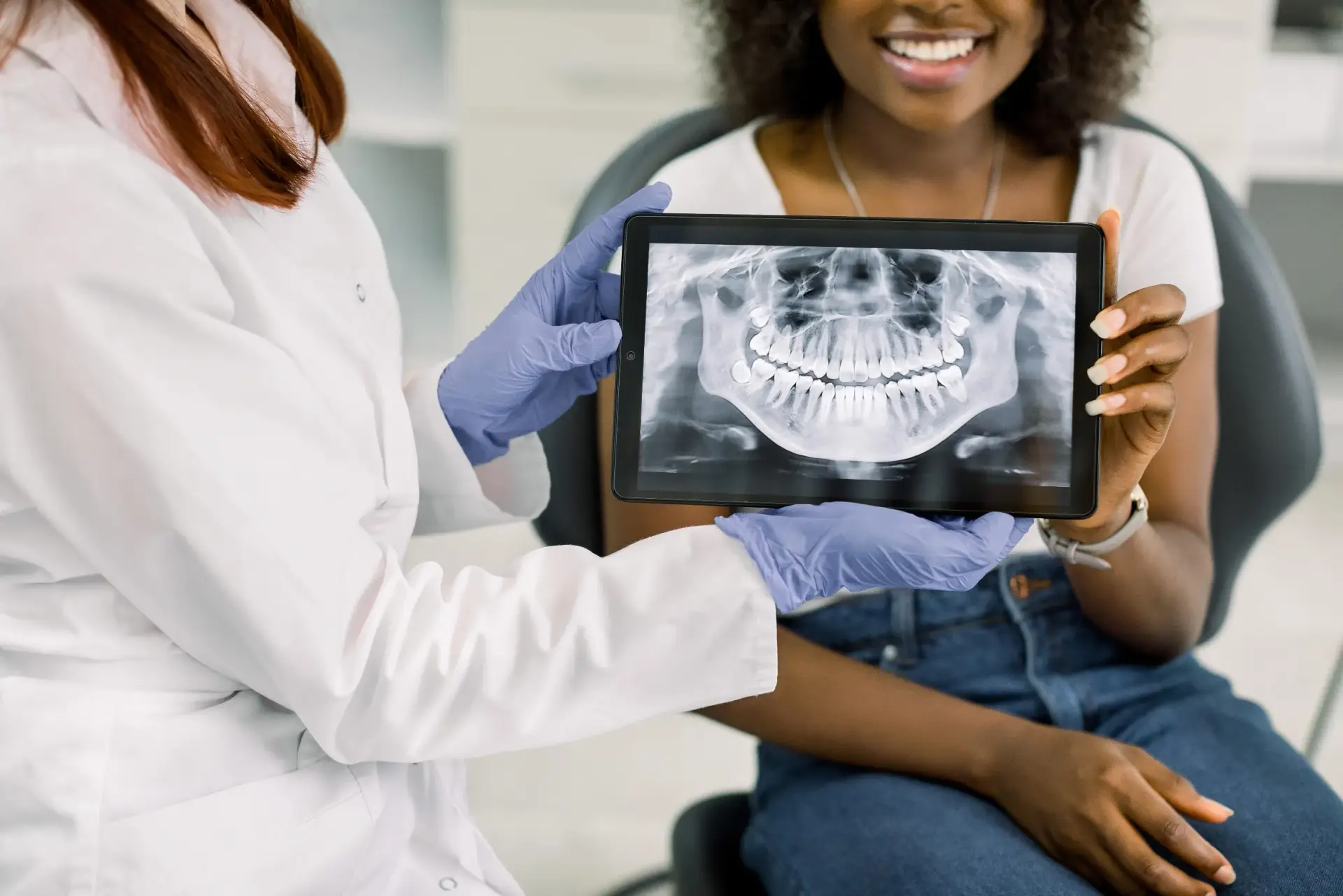
Your surgeon reviews your medical history, examines your wisdom teeth and assesses appropriate imaging. Additional imaging may be recommended when needed for surgical planning.
You’ll discuss whether removal is appropriate, the available anesthesia options and what to expect afterward.
2
Preparing for
Surgery
Your team provides instructions based on your procedure and anesthesia plan, including any necessary arrangements for transportation and recovery.
3
Wisdom Teeth
Removal
Your surgeon removes the indicated tooth or teeth using a technique appropriate for their position. The procedure may be straightforward or involve surgical access to a tooth beneath the gum or bone.
4
Recovery
and Follow-Up
After surgery, you’ll receive instructions for managing discomfort, eating, oral hygiene and activity. Recovery varies depending on the procedure and individual healing.
Anesthesia Options for Wisdom Teeth Removal
Okanagan Oral & Maxillofacial Surgery offers local anesthesia and IV sedation for wisdom teeth procedures.
Your surgeon will review your medical history, treatment needs and preferences to recommend an appropriate anesthesia approach.
Recovery After Wisdom Teeth Removal
Some swelling, tenderness, minor bleeding and temporary jaw stiffness are common after wisdom teeth removal. Symptoms and recovery times vary depending on the teeth removed and the complexity of surgery.
Your surgical team will provide specific instructions to support healing and help you recognize when additional assessment may be needed.
When Should You Contact Your Surgical Team?
Bleeding that does not settle as instructed
Pain or swelling that becomes worse rather than improving
Fever or signs of infection
Persistent numbness or unusual changes in sensation
Increasing pain several days after an extraction may sometimes indicate a condition called dry socket, which requires assessment.
Seek urgent medical care for serious symptoms such as difficulty breathing or swallowing.
Frequently Asked Questions About Wisdom Teeth Removal
Do Wisdom Teeth Always Need to Be Removed?
No. Wisdom teeth that are healthy, functional and can be maintained may not require removal. Even impacted teeth may sometimes be monitored, depending on their position and associated risks.
Should Wisdom Teeth Be Assessed Even if They Don’t Hurt?
Yes, when a dentist identifies a concern or there is a reason to evaluate their development or position. Some problems can develop without noticeable symptoms.
Can Adults Have Their Wisdom Teeth Removed?
Yes. Wisdom teeth can be assessed and removed in adulthood when clinically appropriate. Surgical considerations may differ depending on tooth development, surrounding bone and overall health.
How Long Does Recovery Take?
Recovery varies with the number and position of the teeth, the surgical procedure and individual healing. Your surgeon will discuss what to expect and how to plan around work, school or other activities.
Do I Need a Referral for Wisdom Teeth Removal?
No. You can request an appointment directly. If your dentist or orthodontist has referred you, our team can coordinate with them and review any available imaging.
Request an appointment
Request a Wisdom Teeth Consultation
Whether you’re experiencing discomfort, have been referred for an assessment or simply want to understand your wisdom teeth, our oral and maxillofacial surgeons can help you explore your options.
For referring clinicians
Clear information for every stage of care.
Find information to prepare for your visit, complete your registration and follow instructions before and after surgery.
Our locations
Oral surgery care in Kelowna and Vernon
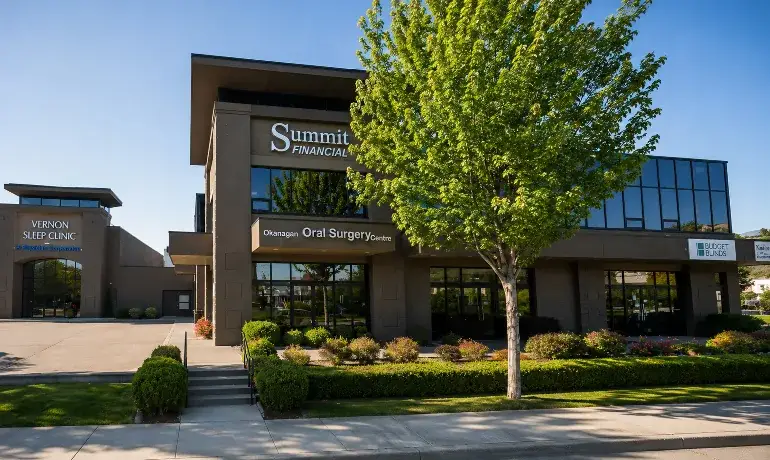
Our offices are located in Kelowna and Vernon. Submit an appointment request for your preferred location, and our team will help coordinate the appropriate next step.
Kelowna
400–550 West Avenue Kelowna, BC V1Y 4Z4
Monday to Friday: 8:00 a.m. to 4:00 p.m.
Vernon
102–2540 53rd Avenue Vernon, BC V1T 9W1
Monday to Friday: 8:00 a.m. to 4:00 p.m.