Our treatments
Bone Grafting in Kelowna and Vernon
At Okanagan Oral & Maxillofacial Surgery, our oral and maxillofacial surgeons assess jawbone health and develop individualized surgical plans based on your anatomy, oral health and treatment needs.
The jawbone provides structural support for your teeth and surrounding facial tissues. When bone is lost or insufficient for a planned procedure, bone grafting may help rebuild or preserve the affected area.
From localized bone defects to more complex reconstructive concerns, we provide surgical assessment and care at our Kelowna and Vernon offices.
About Bone Grafting
Bone grafting is a surgical procedure that places bone or bone-substitute material in an area where additional bone support is needed. The graft provides a framework that may support new bone formation as the area heals.
Depending on the circumstances, bone grafting may be considered to:
Address areas of jawbone loss or deficiency
Rebuild bone affected by certain injuries or conditions
Support reconstruction following the removal of damaged or diseased tissue
Prepare an area for a future dental procedure when additional bone is required
Not every area of bone loss requires grafting. Your surgeon will evaluate the location, extent and cause of the bone deficiency before discussing whether treatment is appropriate.
What Materials Are Used for Bone Grafting?
Depending on the procedure, grafting may involve your own bone, processed donor bone or other biocompatible graft materials.
The choice depends on the amount of reconstruction needed, the surgical site and your overall treatment plan.
Your surgeon will explain the proposed material, its purpose and the considerations involved before treatment.
Jawbone Loss: Causes and Treatment Considerations
Jawbone loss can occur for several reasons, including tooth loss, periodontal disease, trauma and certain conditions affecting the jaws.
After a tooth is lost or removed, the surrounding bone may gradually change because it no longer receives the same stimulation associated with a natural tooth.
Other causes of bone loss may involve infection, injury or surgical treatment of a jaw condition.
The effects depend on where the bone loss occurs and how much supporting structure remains.
How Is Jawbone Loss Assessed?
Your oral and maxillofacial surgeon may evaluate:
The height, width and shape of the remaining bone
The location and extent of the affected area
The condition of surrounding teeth and tissues
The position of nearby nerves and sinus structures
Your medical history and future treatment needs
Clinical examination and diagnostic imaging help determine whether bone grafting, another surgical approach or continued monitoring is appropriate.
Ridge Augmentation
The alveolar ridge is the part of the jawbone that surrounds and supports the teeth.
Following tooth loss, injury or certain oral conditions, this ridge may lose height, width or its natural contour.
Ridge augmentation is a bone grafting procedure used to rebuild deficient areas of the jawbone when additional structure is needed for a planned treatment.
Your surgeon assesses the shape and condition of the ridge before recommending an approach. The extent of reconstruction and healing requirements depend on the individual case.
Sinus Lift
The maxillary sinuses are air-filled spaces located above the back teeth in the upper jaw.
When the bone beneath a sinus is insufficient for a planned procedure, a sinus lift, also called sinus augmentation, may be considered.
During this procedure, the sinus membrane is carefully elevated to create space for grafting material beneath it.
Sinus augmentation is most commonly associated with preparing the upper jaw for dental implants. Whether it is needed depends on the available bone, sinus anatomy and proposed treatment.
Your surgeon will explain the surgical approach, potential risks and healing considerations based on your assessment.
Nerve Repositioning
The inferior alveolar nerve travels through the lower jaw and provides sensation to areas including the lower lip and chin.
In certain complex surgical situations, the nerve’s position may limit the available space for a planned procedure.
Nerve repositioning is a specialized surgical technique that may be considered in selected cases when the relationship between the nerve and surrounding bone presents a treatment challenge.
Although it may be discussed alongside advanced jaw reconstruction, nerve repositioning is not a bone grafting procedure.
Because the procedure carries a risk of altered sensation, including changes that may persist, careful assessment and consideration of alternatives are essential.
Your surgeon will explain whether this approach is relevant to your anatomy and treatment goals.
Bone Grafting for Dental Implants
Bone grafting is sometimes recommended when the jaw does not have sufficient bone to support a planned dental implant.
However, not everyone receiving dental implants requires bone grafting.
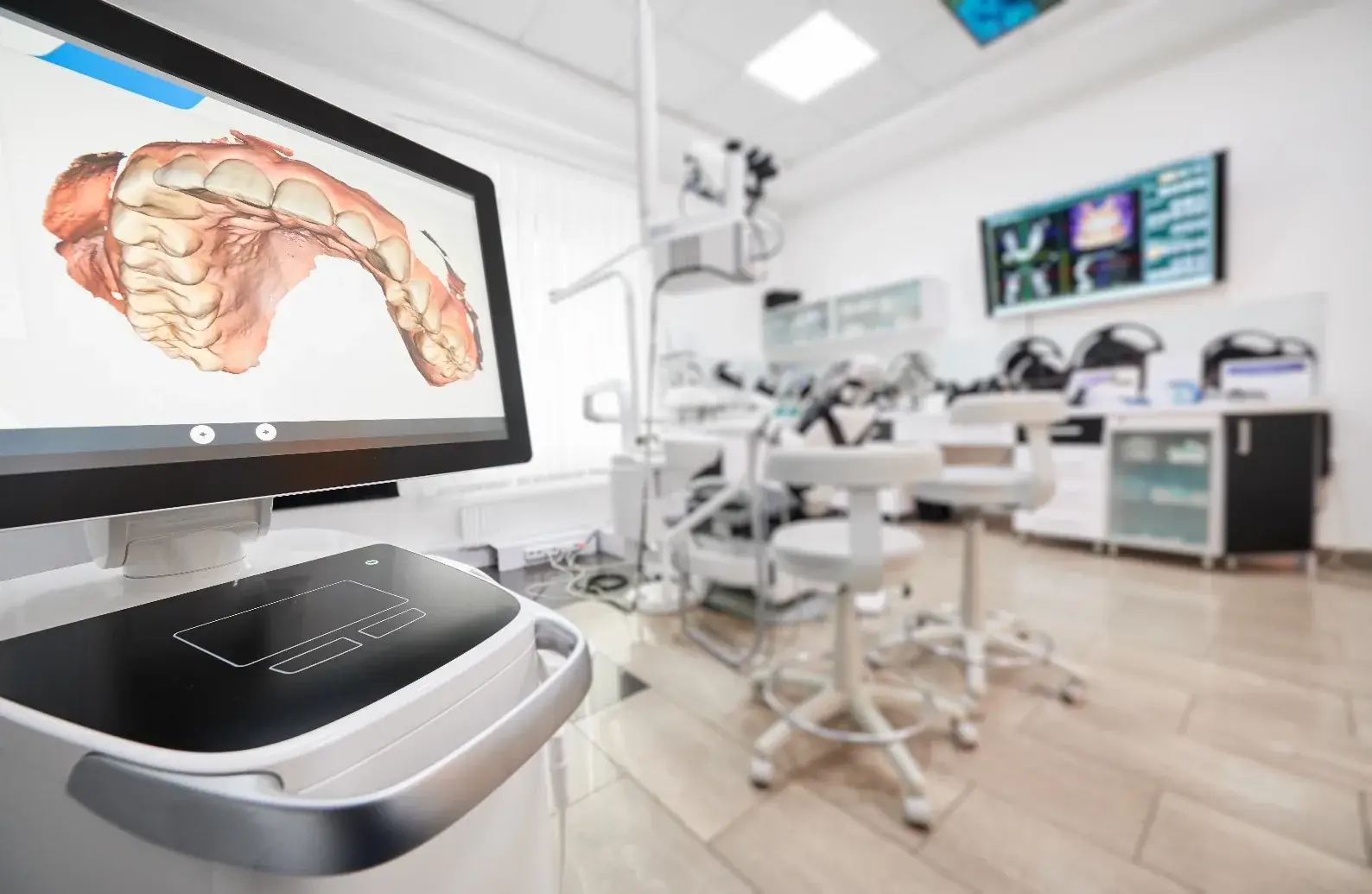
If you’re considering implants, the assessment focuses on the amount and quality of available bone, the proposed implant position and whether additional preparation is necessary.
For more information about grafting techniques, treatment sequencing and healing specifically related to implant placement, visit our dedicated page.
What to Expect During Bone Grafting Treatment
Consultation and Assessment
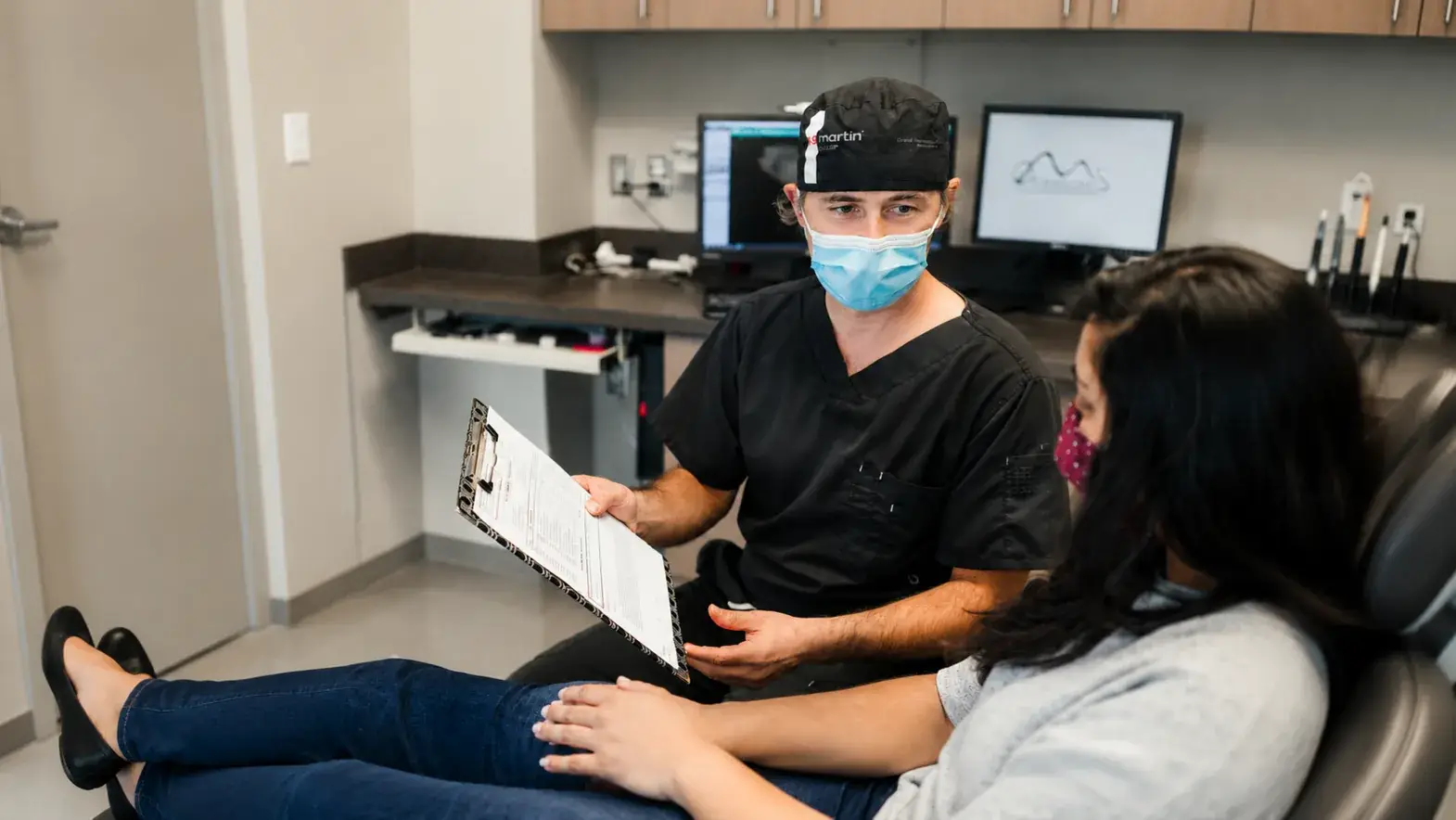
Your surgeon reviews your medical history, examines the affected area and assesses imaging when appropriate.
You’ll discuss the purpose of the proposed procedure, reasonable alternatives and potential risks.
Surgical Planning
The treatment plan considers the location and extent of the bone deficiency, the grafting technique and any additional procedures that may be required.
Your surgeon will also discuss the anesthesia options appropriate for your treatment.
Surgery and Healing
Bone grafting procedures vary in complexity. Following surgery, the grafted area requires time to heal and undergo bone remodelling.
Your team will provide postoperative instructions and explain when follow-up assessment is needed.
Frequently Asked Questions About Bone Grafting
Is Bone Grafting Always Necessary After Tooth Loss?
No. Bone changes after tooth loss do not automatically mean grafting is required. The need for treatment depends on the condition of the jawbone and the purpose of any planned procedure.
Where Does the Bone Graft Material Come From?
Grafting material may come from your own body, processed donor sources or other biocompatible materials. Your surgeon will explain which option is being considered and why.
Is Ridge Augmentation the Same as Bone Grafting?
Ridge augmentation is a type of bone grafting used to rebuild areas of the tooth-supporting jawbone that have lost height, width or contour.
Is a Sinus Lift a Type of Bone Grafting?
Yes. Sinus augmentation commonly involves placing grafting material beneath the elevated sinus membrane to increase available bone in the back of the upper jaw.
How Long Does a Bone Graft Take to Heal?
Healing varies depending on the grafting procedure, the size of the treated area, your health and the intended next stage of care. Your surgeon will discuss the expected healing and follow-up process for your situation.
Request an appointment
Discuss Your Jawbone Health With Our Surgical Team
Whether bone grafting has been recommended or you’re seeking an assessment for a jawbone concern, our oral and maxillofacial surgeons can help you understand your options.
For referring clinicians
Clear information for every stage of care.
Find information to prepare for your visit, complete your registration and follow instructions before and after surgery.
Our locations
Oral surgery care in Kelowna and Vernon
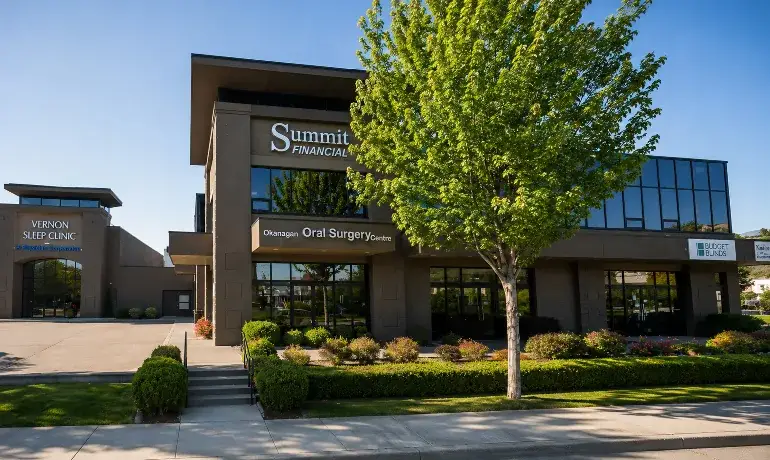
Our offices are located in Kelowna and Vernon. Submit an appointment request for your preferred location, and our team will help coordinate the appropriate next step.
Kelowna
400–550 West Avenue Kelowna, BC V1Y 4Z4
Monday to Friday: 8:00 a.m. to 4:00 p.m.
Vernon
102–2540 53rd Avenue Vernon, BC V1T 9W1
Monday to Friday: 8:00 a.m. to 4:00 p.m.