
Our treatments
Impacted Canines: Surgical Exposure and Treatment in Kelowna and Vernon
At Okanagan Oral & Maxillofacial Surgery, our surgeons assess impacted canines and perform surgical exposure procedures when appropriate, helping support orthodontic treatment.
A canine tooth that doesn’t emerge into its expected position may need help moving into place. When this happens, treatment often involves coordination between an orthodontist and an oral and maxillofacial surgeon.
We provide consultations and surgical care at our Kelowna and Vernon offices.
What Is an Impacted Canine?
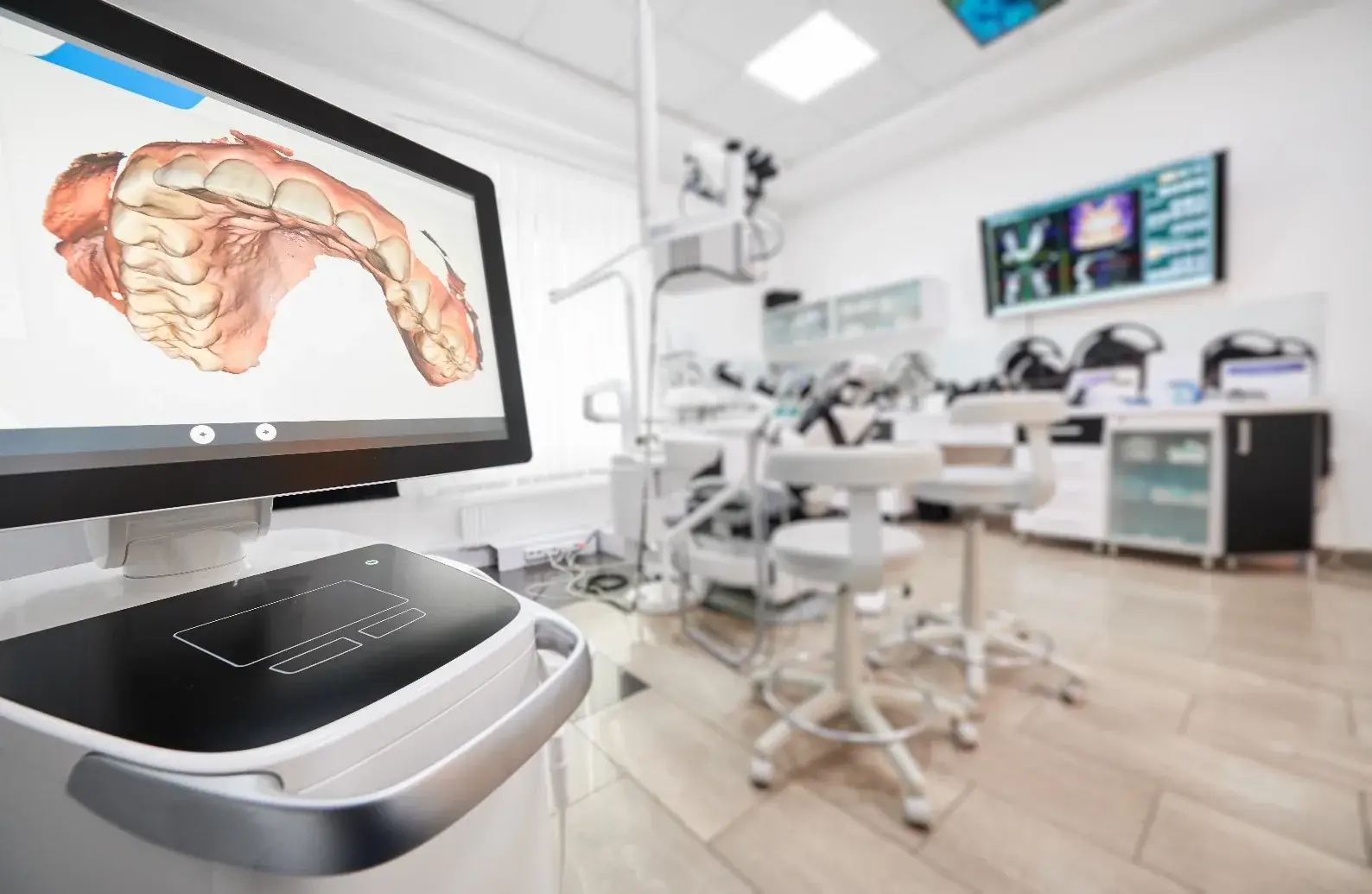
An impacted canine is a canine tooth that has not erupted into its expected position. It may remain beneath the gum tissue, within the jawbone or in an unusual position relative to neighbouring teeth.
Canines play an important role in biting and the alignment of the dental arches. Unlike wisdom teeth, impacted canines are often considered for treatment that helps bring them into their intended position rather than removing them.
Upper canines are more commonly impacted than lower canines.

Why Do Canine Teeth Become Impacted?
Several factors may contribute to canine impaction, including:
Insufficient space in the dental arch
An unusual eruption path or tooth position
Crowding or differences in tooth development
Some impacted canines cause no noticeable symptoms and are identified during a routine dental or orthodontic examination.
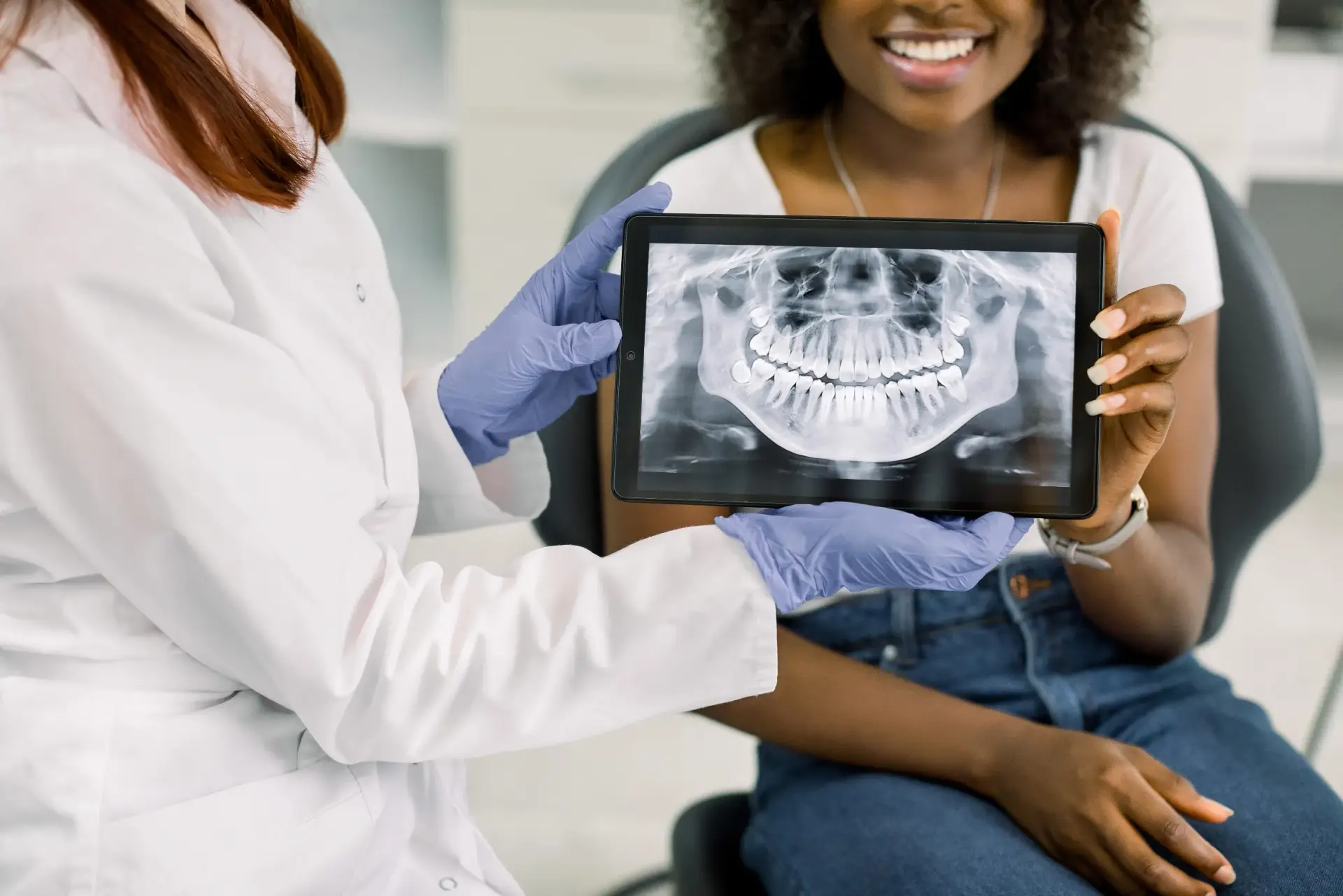
An assessment helps determine the tooth’s position, its relationship to neighbouring roots and the treatment options available.
How Are Impacted Canines Treated?
Treatment depends on the position of the impacted tooth, the available space, the patient’s stage of dental development and the condition of surrounding teeth.
When bringing the natural canine into position is feasible, treatment commonly involves orthodontic preparation followed by surgical exposure.
1
Orthodontic Assessment and Preparation
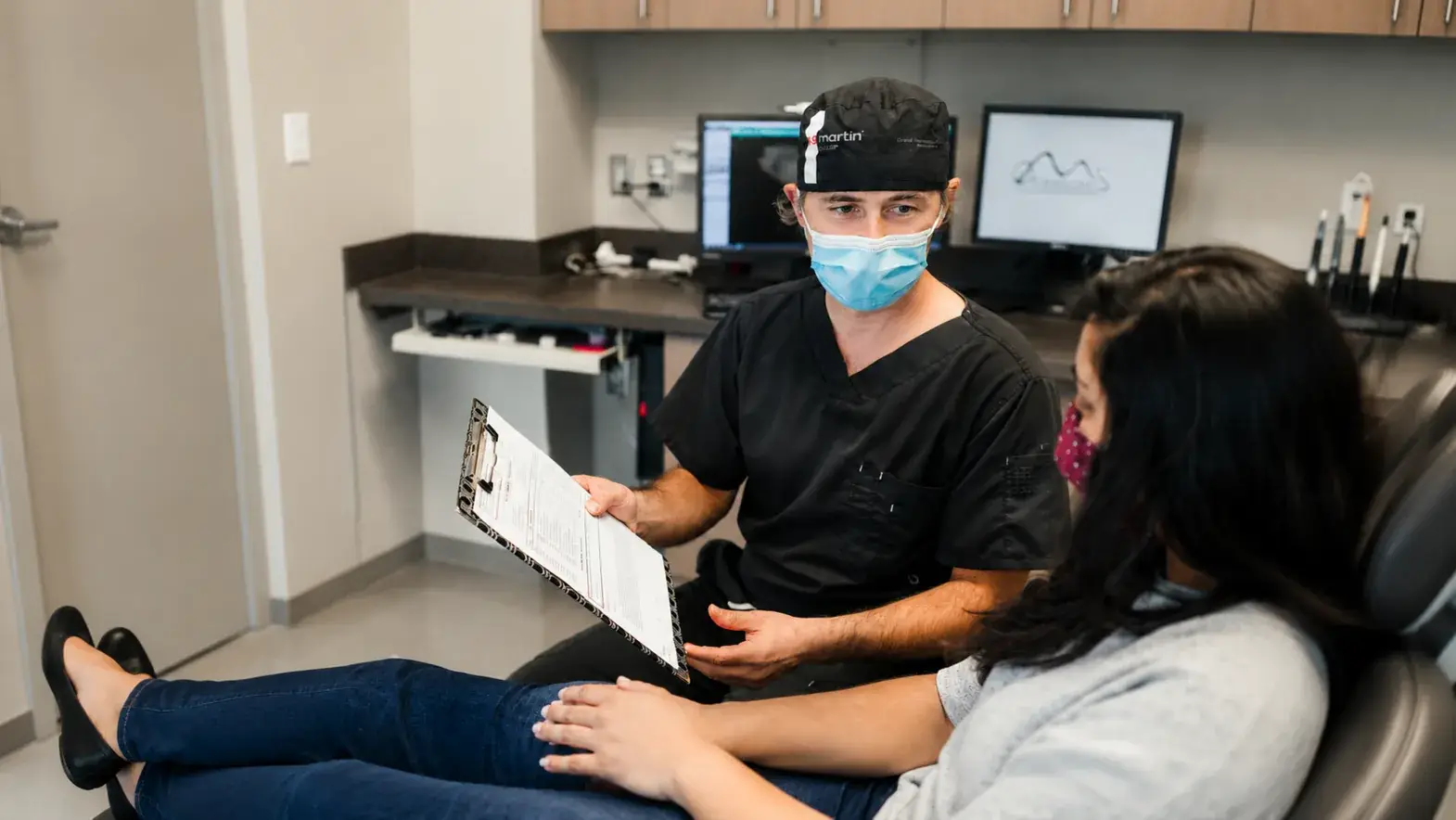
Your orthodontist evaluates the alignment of your teeth and determines whether sufficient space can be created for the impacted canine.
Orthodontic treatment may begin before surgery to prepare the area and establish a plan for guiding the tooth into position.
2
Surgical Exposure of the Impacted Canine
Your oral and maxillofacial surgeon carefully accesses the impacted tooth by uncovering part of its crown.
Depending on the tooth’s position and the treatment plan, a small orthodontic attachment, often connected to a chain, may be bonded to the tooth.
3
Orthodontic
Guidance
Following surgery, your orthodontist may use the attachment to apply controlled forces that gradually guide the canine toward its planned position.
This movement takes place over time and requires ongoing orthodontic monitoring.
4
Follow-Up and Continued Treatment
Your surgical and orthodontic teams coordinate care as the tooth moves into position.
Not every impacted canine can be successfully brought into the dental arch. If exposure and orthodontic guidance are unsuitable, extraction or another treatment approach may be discussed.
Does Every Impacted Canine Need Surgery?
No. Treatment depends on the tooth’s position, the patient’s age and dental development, and whether the canine has the potential to erupt or be guided into place.
In some cases, orthodontic treatment or other interventions may help manage the eruption path without surgical exposure.
In others, surgical exposure may be recommended to support orthodontic movement.
If the tooth cannot be moved predictably or presents risks to surrounding structures, your team may discuss alternative treatment options.
What to Expect After Impacted Canine Exposure
Recovery varies depending on the tooth’s location and the surgical technique used.
Some swelling, tenderness and minor bleeding may occur following the procedure. Your surgeon will provide instructions for oral hygiene, eating, activity and caring for the surgical area.
If an orthodontic attachment or chain has been placed, your team will explain how to protect it and when to resume orthodontic appointments.
Frequently Asked Questions About Impacted Canines
Can an Impacted Canine Come in on Its Own?
Sometimes, depending on the patient’s stage of dental development, the tooth’s position and available space. An orthodontic assessment helps determine whether monitoring, interceptive treatment or surgical exposure is appropriate.
Is Surgical Exposure the Same as Tooth Extraction?
No. Surgical exposure uncovers an impacted tooth so that it can potentially be guided into position with orthodontic treatment. Extraction removes the tooth and may be considered when preservation is not feasible.
Do I Need Braces Before Impacted Canine Surgery?
Orthodontic preparation is commonly required to create space and coordinate the tooth’s movement. Your orthodontist and oral and maxillofacial surgeon will determine the appropriate treatment sequence.
How Long Does It Take to Bring an Impacted Canine Into Position?
The timeline varies based on the tooth’s position, root development, surrounding anatomy and response to orthodontic movement. Your orthodontist can discuss the anticipated stages of treatment.
What Happens if an Impacted Canine Cannot Be Moved?
If orthodontic movement is not feasible or does not progress as expected, your treatment team may consider other options, including extraction. The recommendation depends on your individual circumstances.
Request an appointment
Coordinated Care for Impacted Canines
At Okanagan Oral & Maxillofacial Surgery, our oral and maxillofacial surgeons work with referring orthodontists and dentists to assess impacted teeth and support individualized treatment plans.
For referring clinicians
Clear information for every stage of care.
Find information to prepare for your visit, complete your registration and follow instructions before and after surgery.
Our locations
Oral surgery care in Kelowna and Vernon
Our offices are located in Kelowna and Vernon. Submit an appointment request for your preferred location, and our team will help coordinate the appropriate next step.
Kelowna
400–550 West Avenue Kelowna, BC V1Y 4Z4
Monday to Friday: 8:00 a.m. to 4:00 p.m.
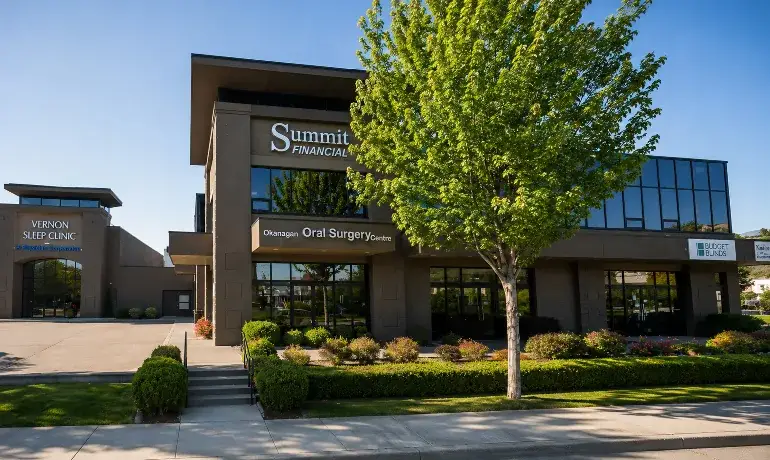
Vernon
102–2540 53rd Avenue Vernon, BC V1T 9W1
Monday to Friday: 8:00 a.m. to 4:00 p.m.