Our treatments
Corrective Jaw Surgery in Kelowna and Vernon
When the upper and lower jaws don’t align properly, the effects can go beyond the appearance of your smile. Jaw position may affect your bite, chewing, speech and overall facial balance.
Corrective jaw surgery, also called orthognathic surgery, repositions the upper jaw, lower jaw or both to address underlying jaw alignment concerns.
At Okanagan Oral & Maxillofacial Surgery, our oral and maxillofacial surgeons work closely with orthodontists and other healthcare professionals to plan treatment around your individual needs.
What Is Corrective Jaw Surgery?
Orthodontic treatment moves teeth into better alignment, while corrective jaw surgery addresses the position of the jawbones themselves.
For some patients, orthodontics alone cannot fully correct a significant difference between the upper and lower jaws. Orthognathic surgery may be considered when repositioning the jaws is necessary to achieve the treatment goals.
Surgery is planned around both function and facial structure, with careful consideration of your bite, anatomy and overall oral health.
When Might Corrective Jaw Surgery Be Recommended?
Corrective jaw surgery may be considered for patients experiencing:
Significant overbites, underbites or open bites related to jaw position
Difficulty biting or chewing because the jaws do not meet properly
Facial asymmetry associated with differences in jaw development
Jaw alignment concerns that cannot be adequately addressed with orthodontics alone
Certain airway concerns, including obstructive sleep apnea, in selected cases
Not every bite concern requires surgery. A comprehensive assessment helps determine whether orthodontic treatment, surgery or another approach is appropriate.
See the difference treatment can make
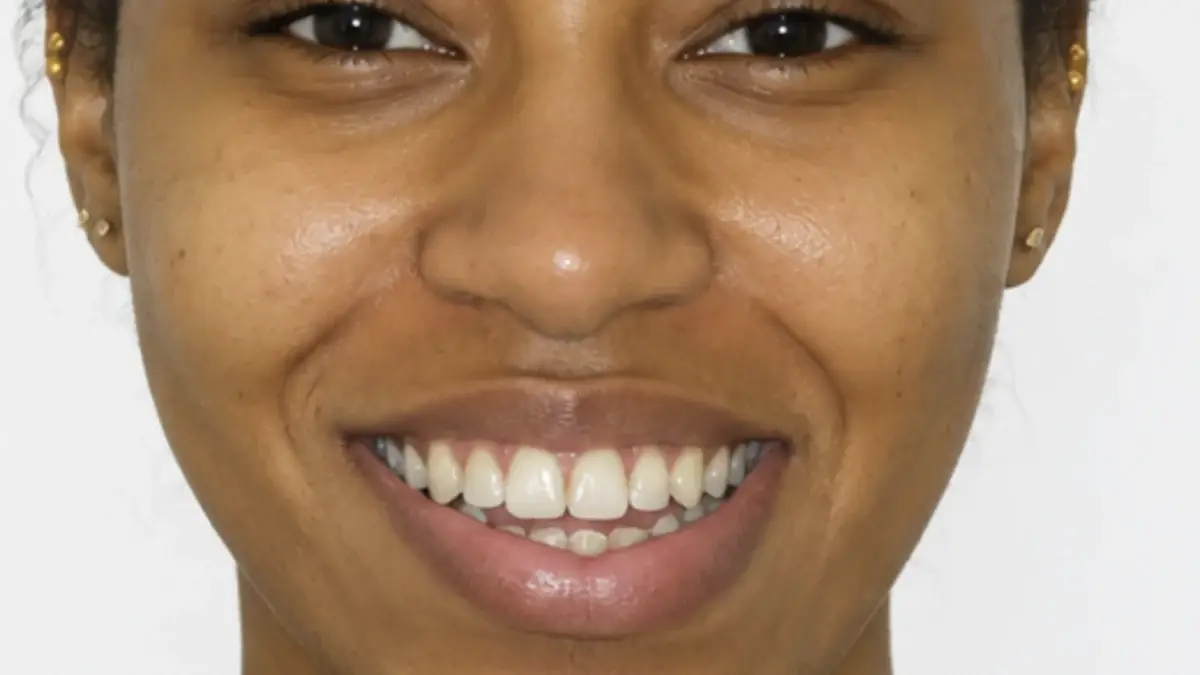
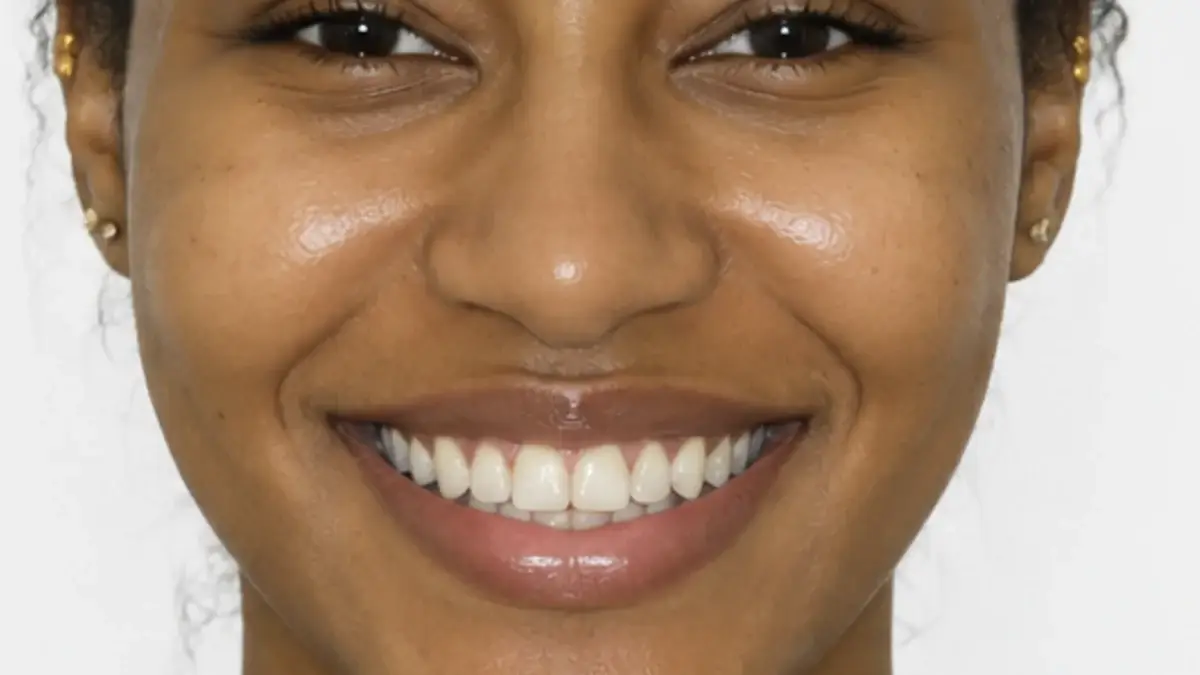
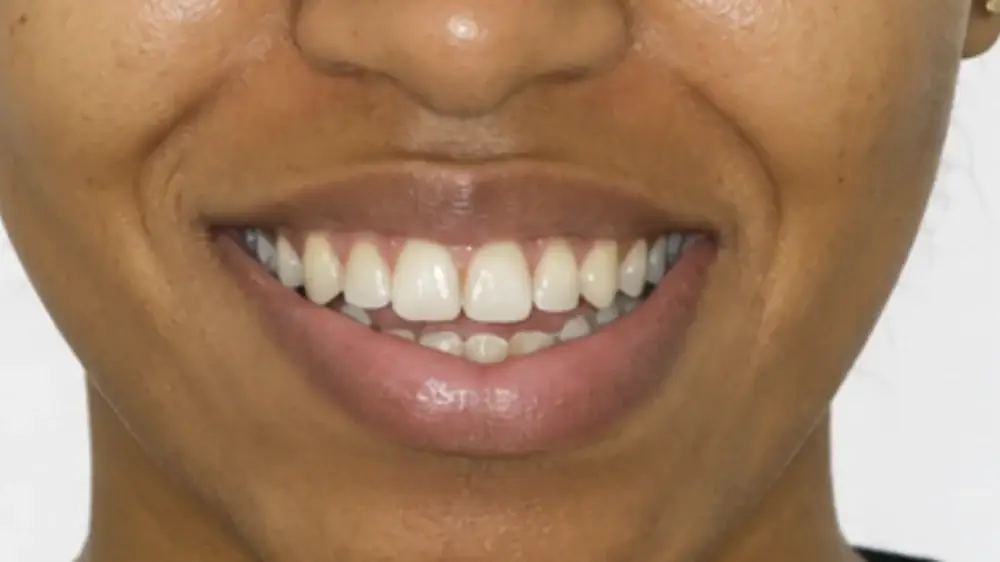
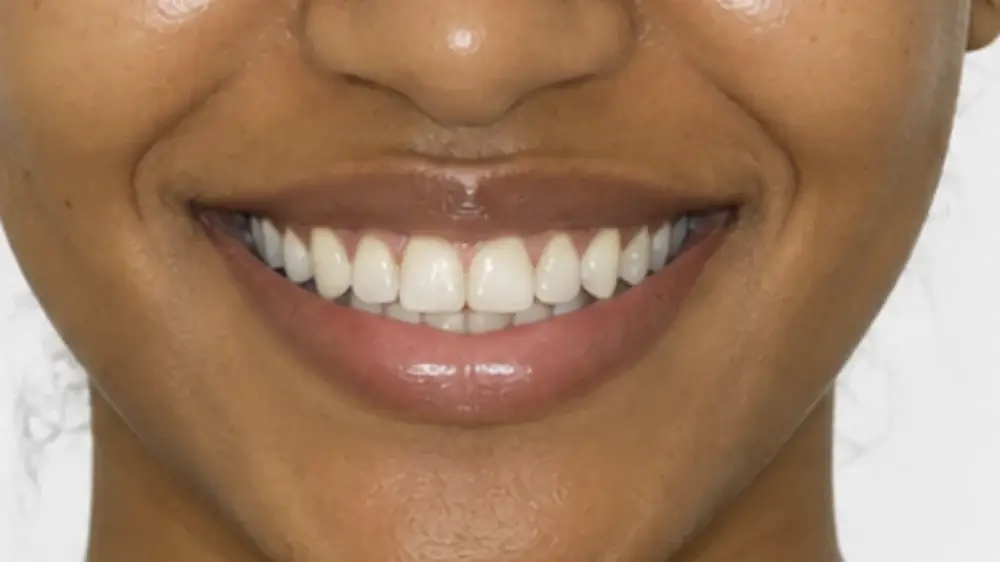
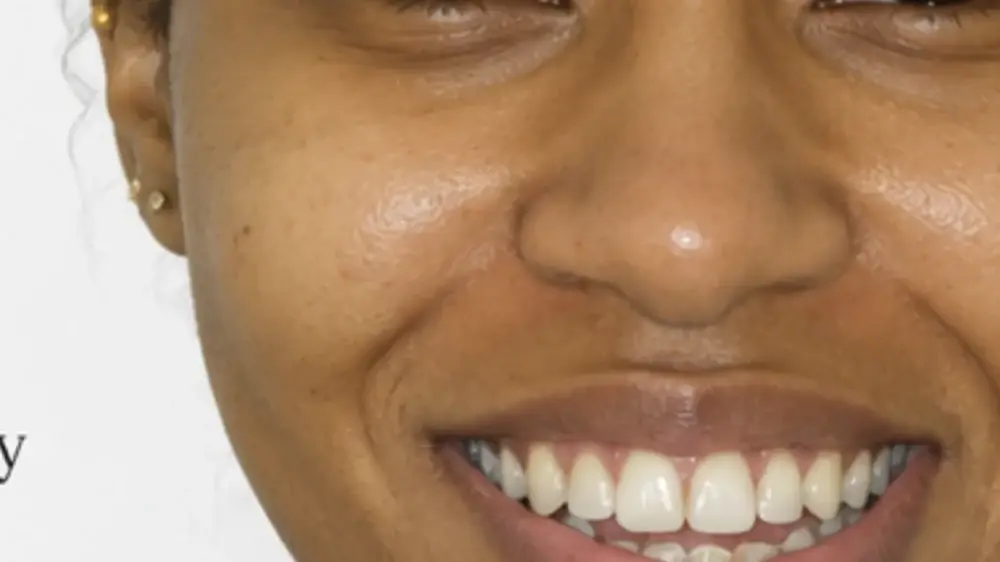
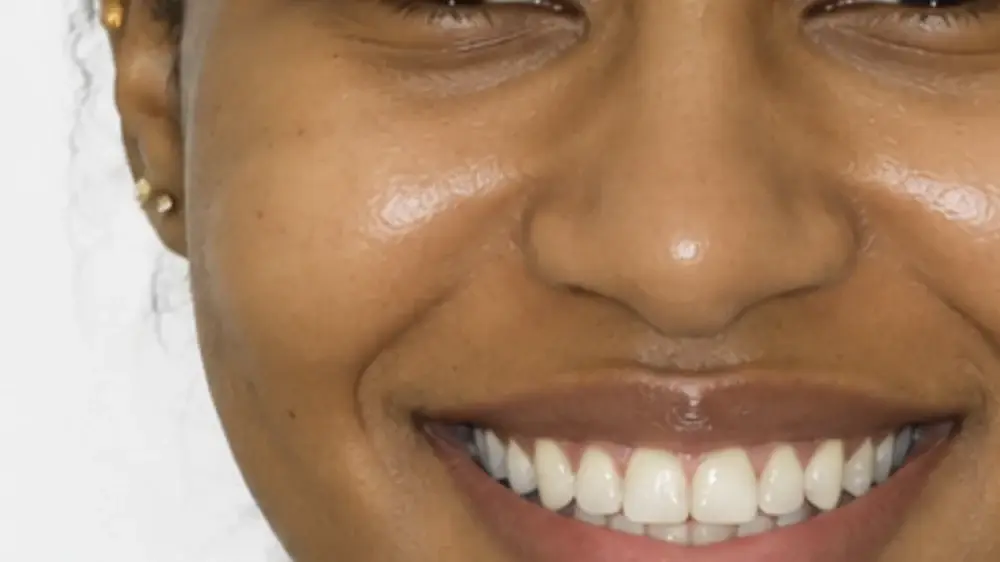
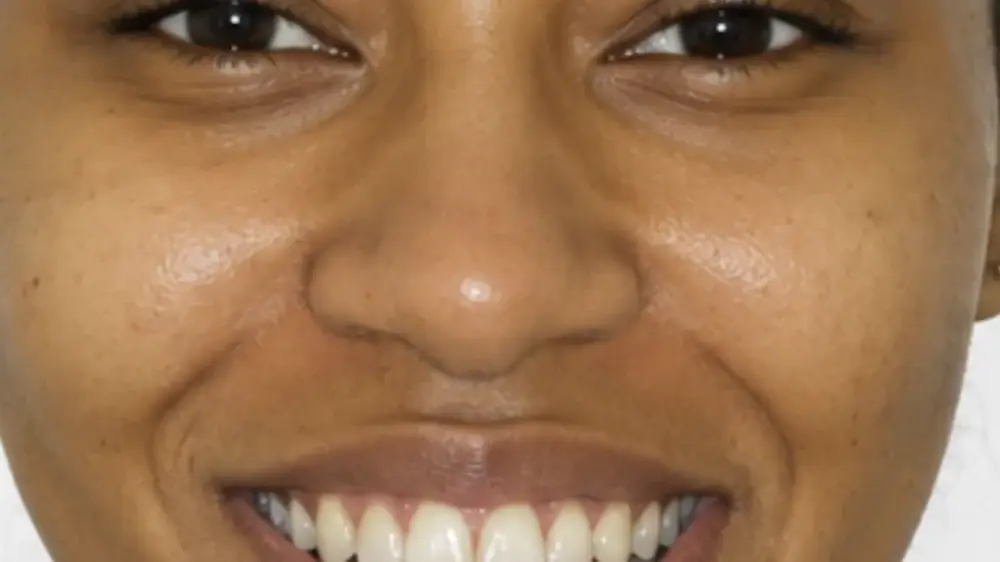
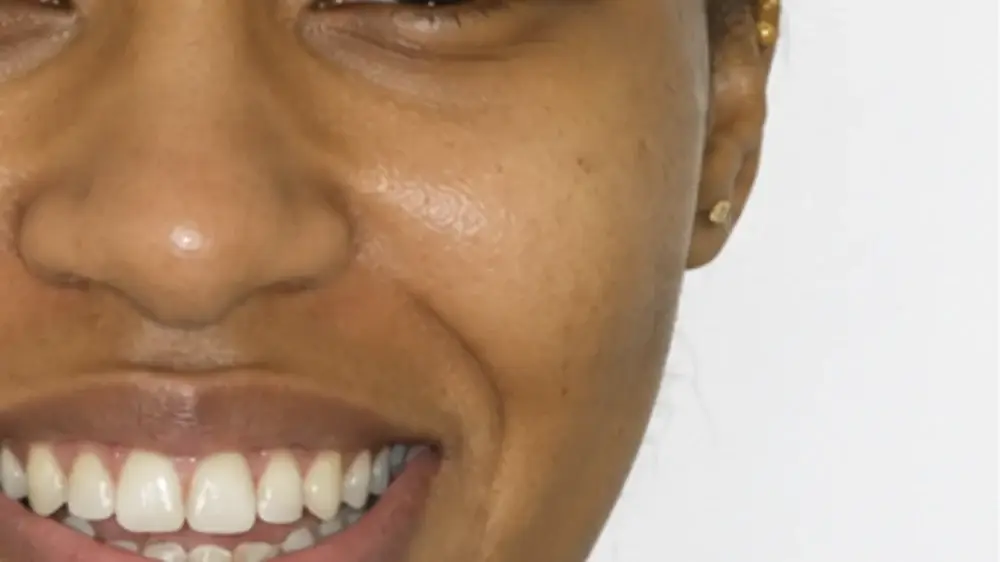
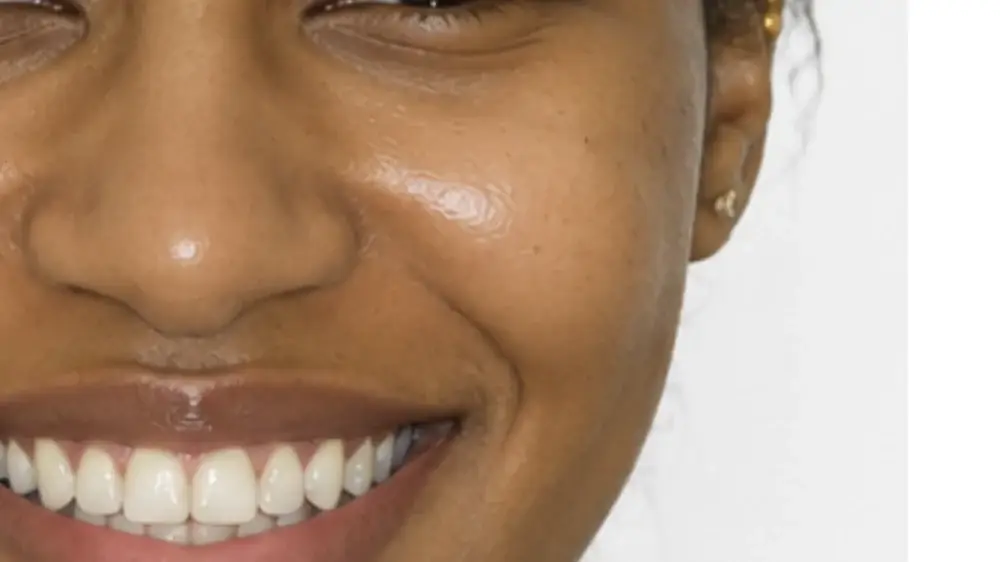
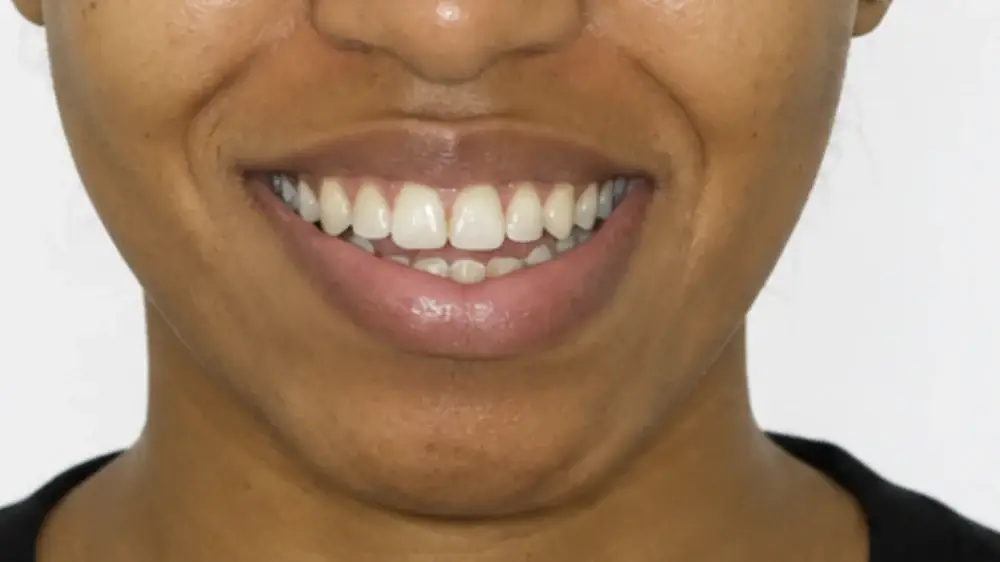
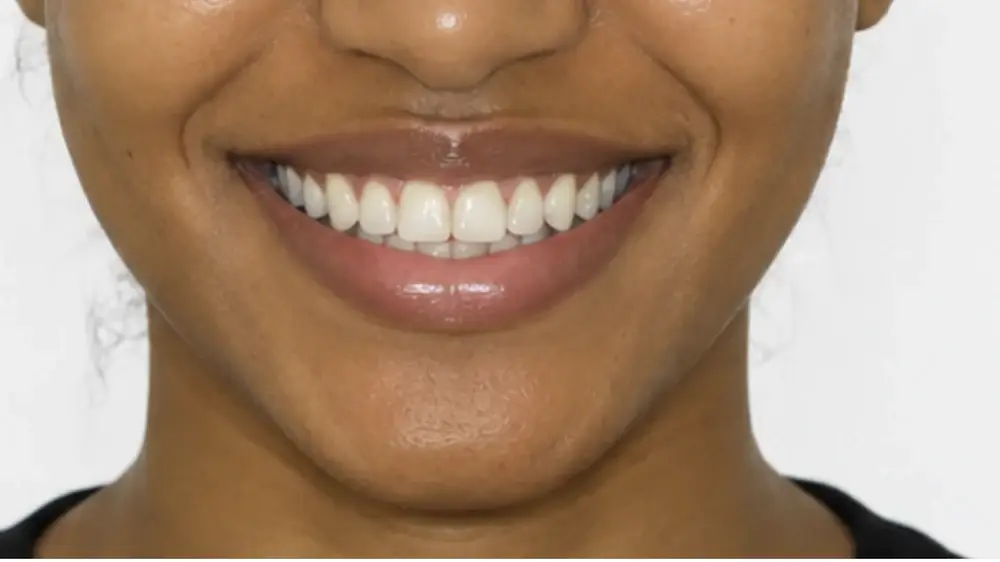
Selected patient results
Examples of dental implant and corrective jaw treatment, planned around each patient’s needs. Treatment options and results vary.
Your treatment journey
What Does Corrective Jaw Surgery Involve?
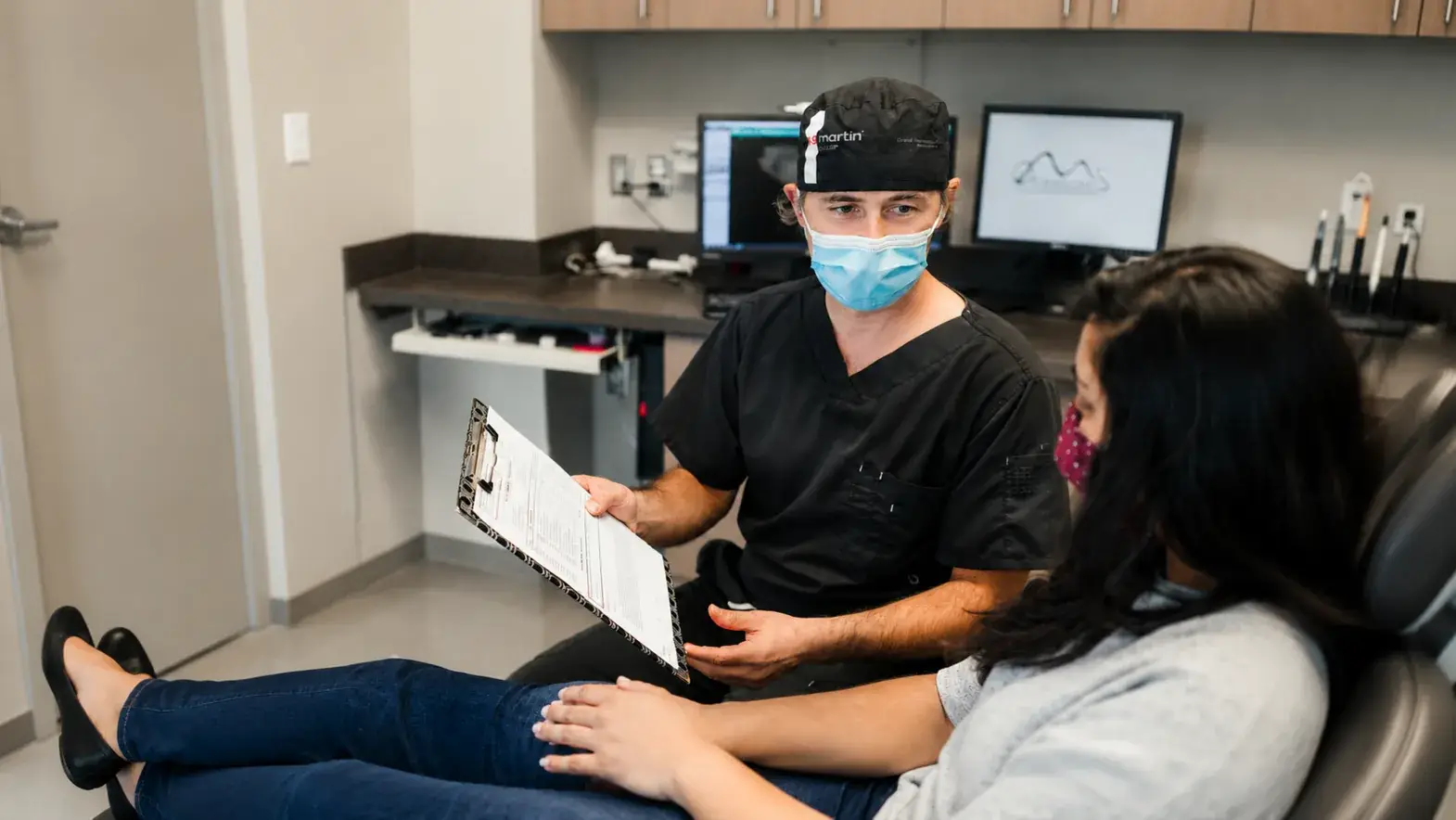
Treatment typically requires coordination between your oral and maxillofacial surgeon and orthodontist.
1
Consultation and
Assessment
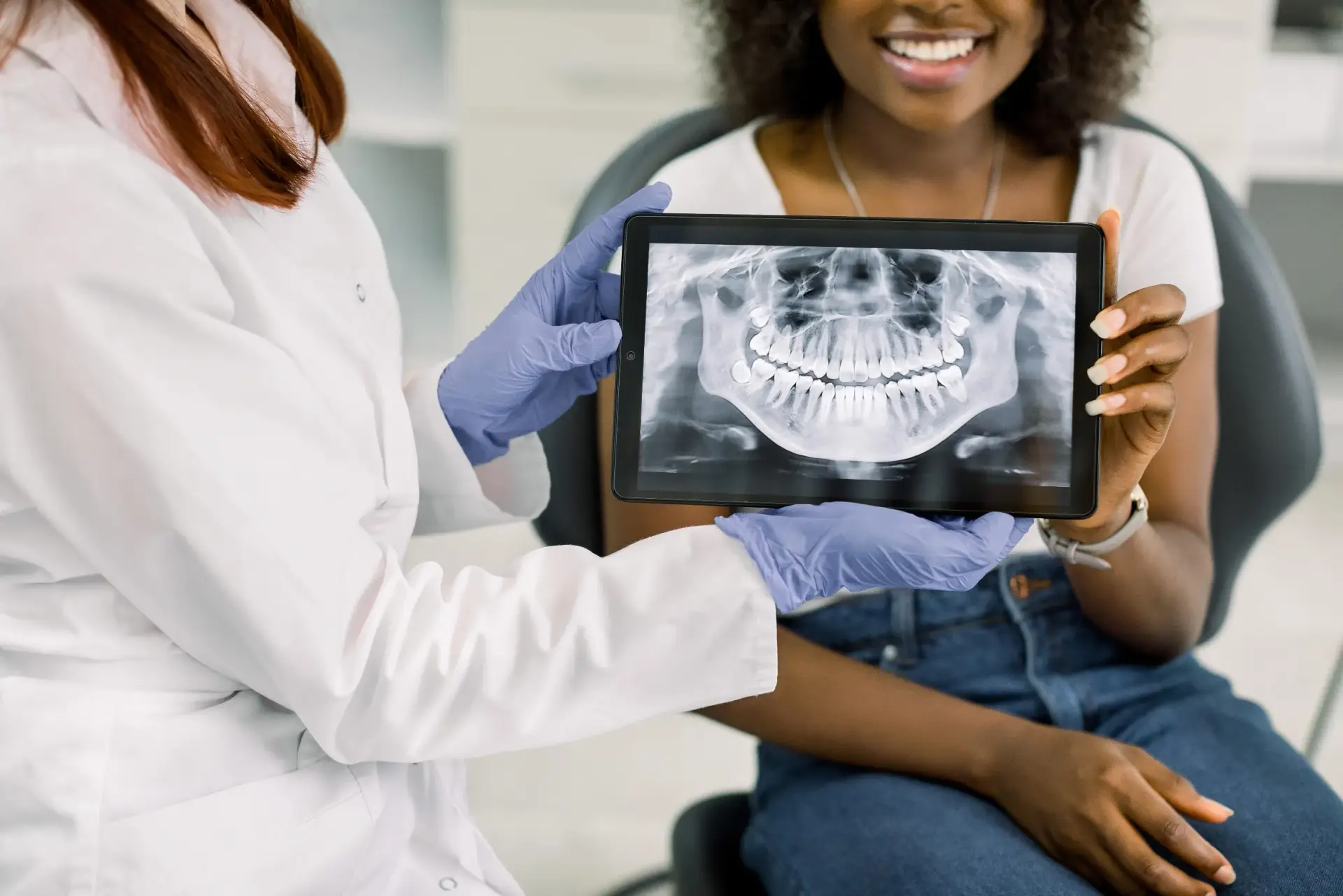
Your surgeon evaluates your bite, facial structure, medical history and treatment goals. Diagnostic imaging, including CBCT scans when appropriate, helps assess jaw anatomy.
2
Orthodontic Preparation
and Surgical Planning
Orthodontic treatment may be needed before surgery to position the teeth for the planned jaw correction.
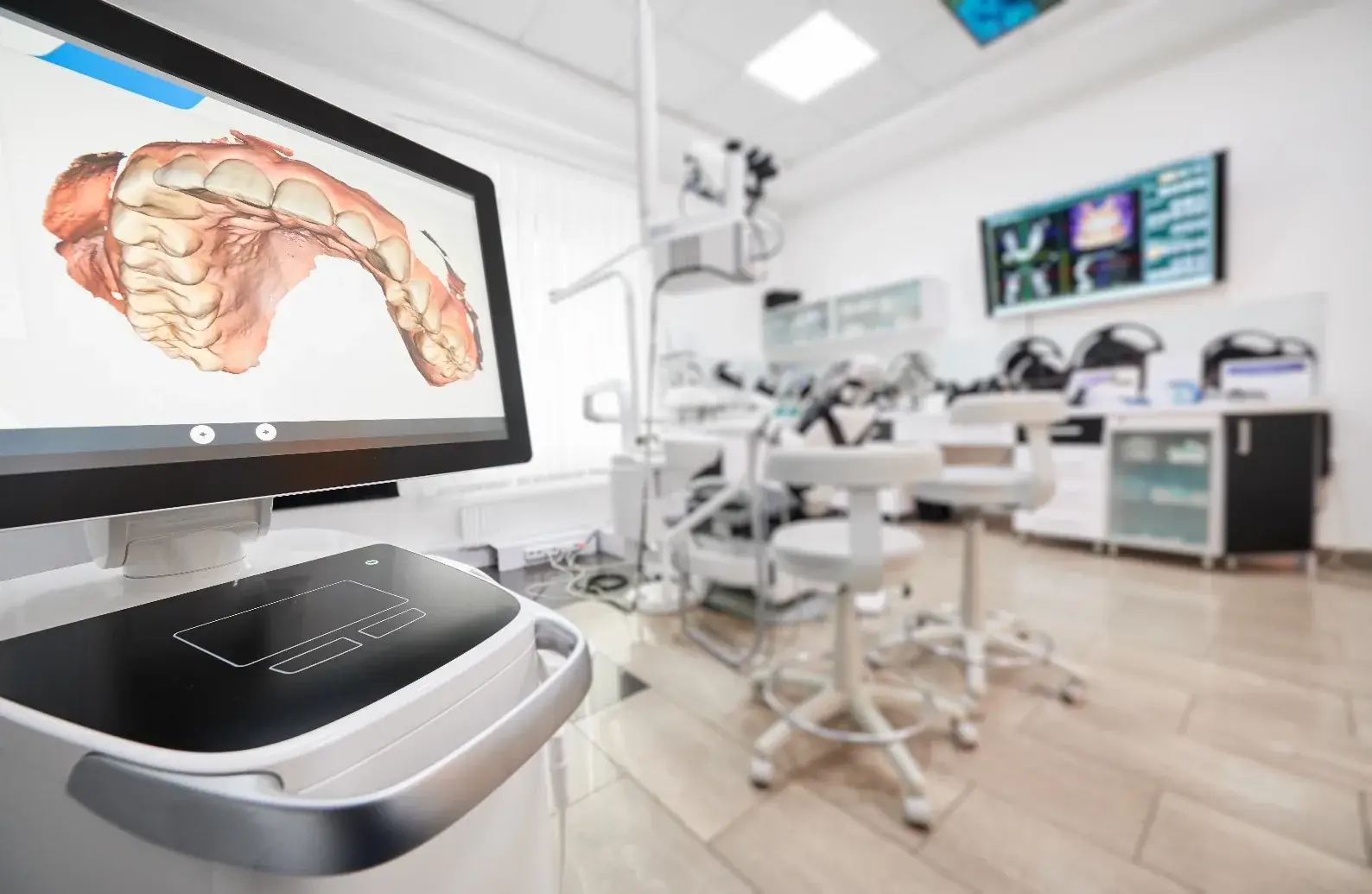
Your surgical team may use digital imaging and virtual surgical planning to help determine the proposed jaw movements.
3
Corrective
Jaw Surgery
During surgery, the upper jaw, lower jaw or both are repositioned according to the treatment plan.
Your surgeon will explain the procedure, anesthesia, surgical setting and anticipated recovery before treatment.
4
Recovery
and Follow-Up
Healing takes time, and temporary changes to eating, speaking and daily activities are expected. Follow-up appointments allow your surgical and orthodontic teams to monitor recovery and continue treatment.
Orthodontic adjustments may also be needed after surgery.
Corrective Jaw Surgery for Obstructive Sleep Apnea
Obstructive sleep apnea (OSA) occurs when the upper airway repeatedly becomes partially or completely blocked during sleep, disrupting normal breathing.
For some patients, the position of the upper and lower jaws contributes to limited airway space. In selected cases, corrective jaw surgery may be considered as part of treatment.
Maxillomandibular Advancement (MMA) Surgery
Maxillomandibular advancement is a surgical procedure that moves the upper and lower jaws forward to increase the space available for breathing behind the tongue and soft palate.
Unlike treatments that primarily manage airway obstruction during sleep, MMA surgery changes the underlying jaw position and airway anatomy. However, not everyone with obstructive sleep apnea is a candidate for this procedure, and improvement cannot be guaranteed.
Who May Be Considered for MMA Surgery?
MMA surgery may be considered for selected patients with obstructive sleep apnea, particularly when:
- Jaw anatomy contributes to airway narrowing.
- Other treatments have been ineffective, are not tolerated or are otherwise unsuitable.
- A comprehensive assessment indicates that jaw advancement may be appropriate.
Evaluation typically involves reviewing your sleep apnea diagnosis, medical history, jaw anatomy and previous treatments, often in coordination with your sleep medicine physician.
Your oral and maxillofacial surgeon will discuss the potential benefits, limitations, risks and recovery requirements before recommending surgery.
Recovery After Corrective Jaw Surgery
Recovery depends on the procedure performed and your individual healing response.
Swelling, temporary changes in sensation and a modified diet are common considerations after surgery. Your team will provide instructions about eating, oral hygiene, medications, activity and follow-up care.
Because corrective jaw surgery is often part of a longer orthodontic and surgical treatment plan, your surgeon will explain the anticipated stages before proceeding.
Frequently Asked Questions About Corrective Jaw Surgery
Do I Need Braces Before Corrective Jaw Surgery?
Many patients require orthodontic treatment before and after surgery. However, the sequence depends on your bite, jaw relationship and treatment goals.
Can Corrective Jaw Surgery Improve My Bite?
Corrective jaw surgery is intended to address jaw-position differences that contribute to certain bite problems. The expected functional changes depend on your anatomy and treatment plan.
Will Corrective Jaw Surgery Change My Facial Appearance?
Repositioning the jaws can change facial proportions and appearance. Your surgeon will discuss the anticipated changes as part of treatment planning.
Can Corrective Jaw Surgery Help Treat Sleep Apnea?
In selected patients, maxillomandibular advancement surgery may help improve airway space by moving the upper and lower jaws forward. Whether this is appropriate depends on your sleep apnea diagnosis, jaw anatomy, previous treatments and overall health.
How Long Does Recovery Take?
Recovery varies depending on the extent of surgery and individual healing. Your surgeon will explain the expected stages, activity restrictions and follow-up schedule for your procedure.
Request an appointment
Explore Your Corrective Jaw Surgery Options
If you’ve been told your jaw alignment may require surgical correction, our oral and maxillofacial surgeons can assess your needs and coordinate care with your orthodontist.
For referring clinicians
Clear information for every stage of care.
Find information to prepare for your visit, complete your registration and follow instructions before and after surgery.
Our locations
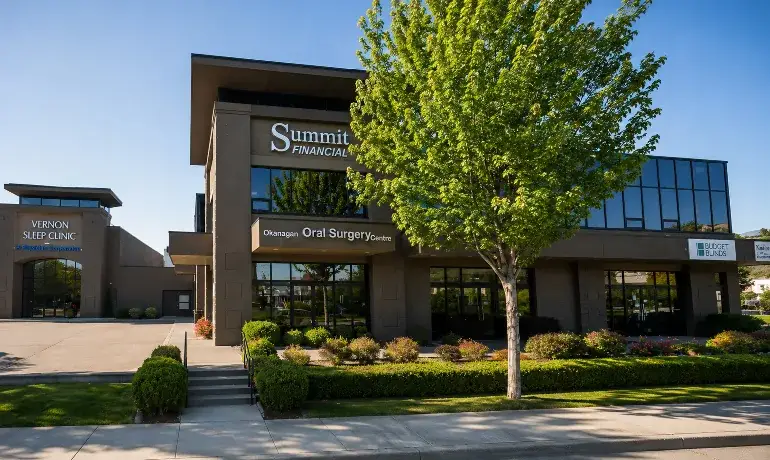
Oral surgery care in Kelowna and Vernon
Our offices are located in Kelowna and Vernon. Submit an appointment request for your preferred location, and our team will help coordinate the appropriate next step.
Kelowna
400–550 West Avenue Kelowna, BC V1Y 4Z4
Monday to Friday: 8:00 a.m. to 4:00 p.m.
Vernon
102–2540 53rd Avenue Vernon, BC V1T 9W1
Monday to Friday: 8:00 a.m. to 4:00 p.m.