Our treatments

Dental Implants in Kelowna and Vernon

Missing one or more teeth? Dental implants can provide a stable foundation for replacement teeth, helping restore your smile and chewing function.

At Okanagan Oral Surgery, our oral and maxillofacial surgeons plan and perform dental implant surgery, from single-tooth replacement to complex cases. We work closely with your dentist or restorative provider to coordinate care around your individual needs.

What Is a Dental Implant?

A dental implant is a small post placed in the jawbone to support a replacement tooth. Once the implant has healed and integrated with the surrounding bone, a crown, bridge or denture can be attached using a connector called an abutment.

Your oral surgeon performs the surgical phase of treatment, while your dentist or restorative provider completes the final replacement teeth.

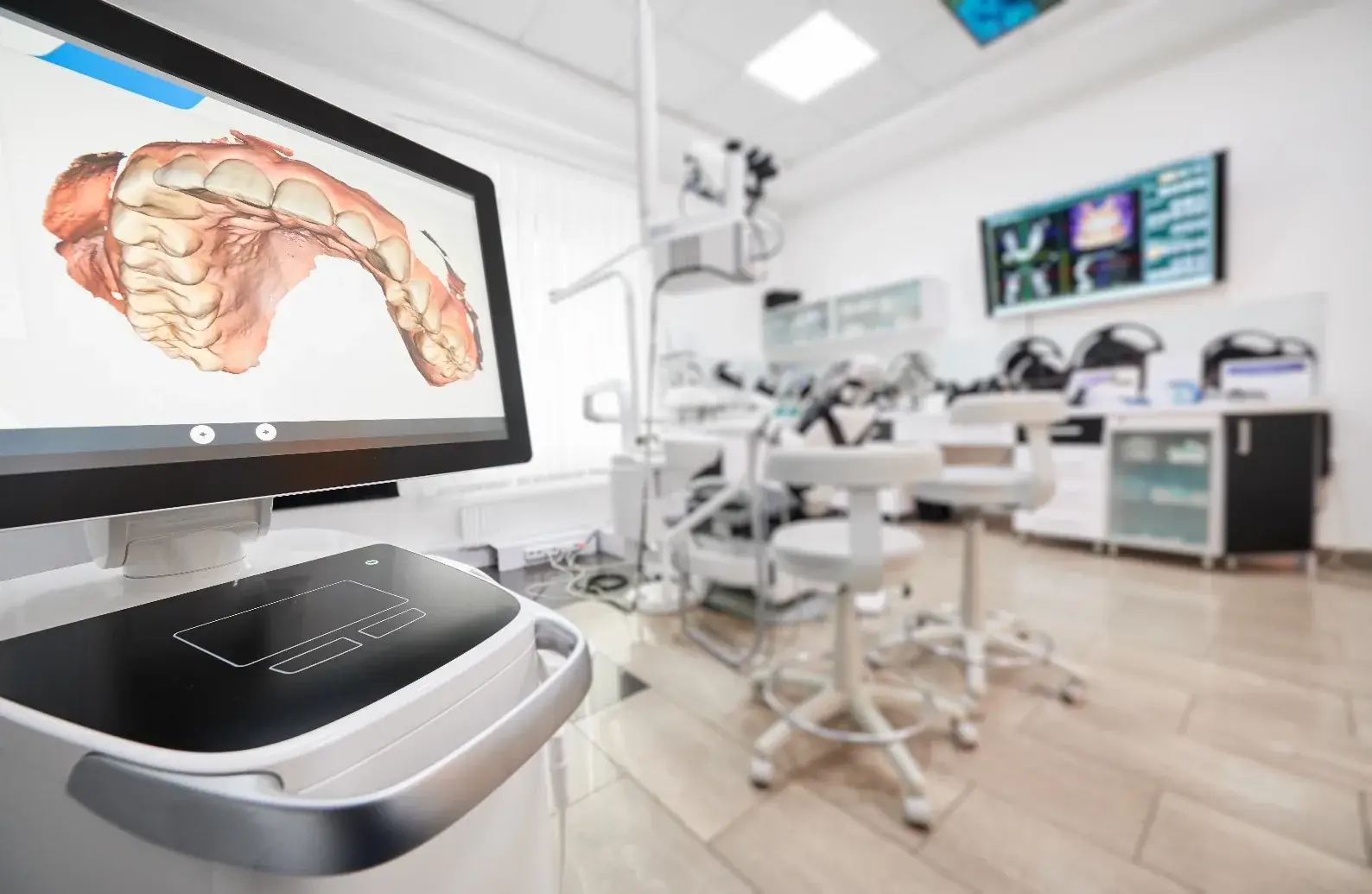
3D dental imaging on a monitor

One Missing Tooth

A single dental implant can support a crown without relying on neighbouring teeth for support, as a traditional dental bridge would.

Several Missing Teeth

Multiple implants may support individual crowns or an implant-supported bridge, depending on the number and position of missing teeth.

A Full Arch of Missing Teeth

For patients missing most or all teeth in an upper or lower arch, several implants may support a full-arch restoration. Treatment options depend on your anatomy and restorative needs.

Are Dental Implants Right for You?

Dental implants may be an option for patients missing one or more teeth. Suitability depends on your oral health, medical history, available jawbone and treatment goals.

During your consultation, your surgeon will assess these factors through a clinical examination and diagnostic imaging, including 3D scans when appropriate.

Even if you’ve experienced bone loss or have been missing a tooth for years, implant treatment may still be possible. Your surgeon will assess whether additional procedures, such as bone grafting, may help prepare the area for implant placement.

Your treatment journey

What Does Dental Implant Treatment Involve?

Every treatment plan is different, but dental implant care generally follows four stages.

1

Consultation and Planning

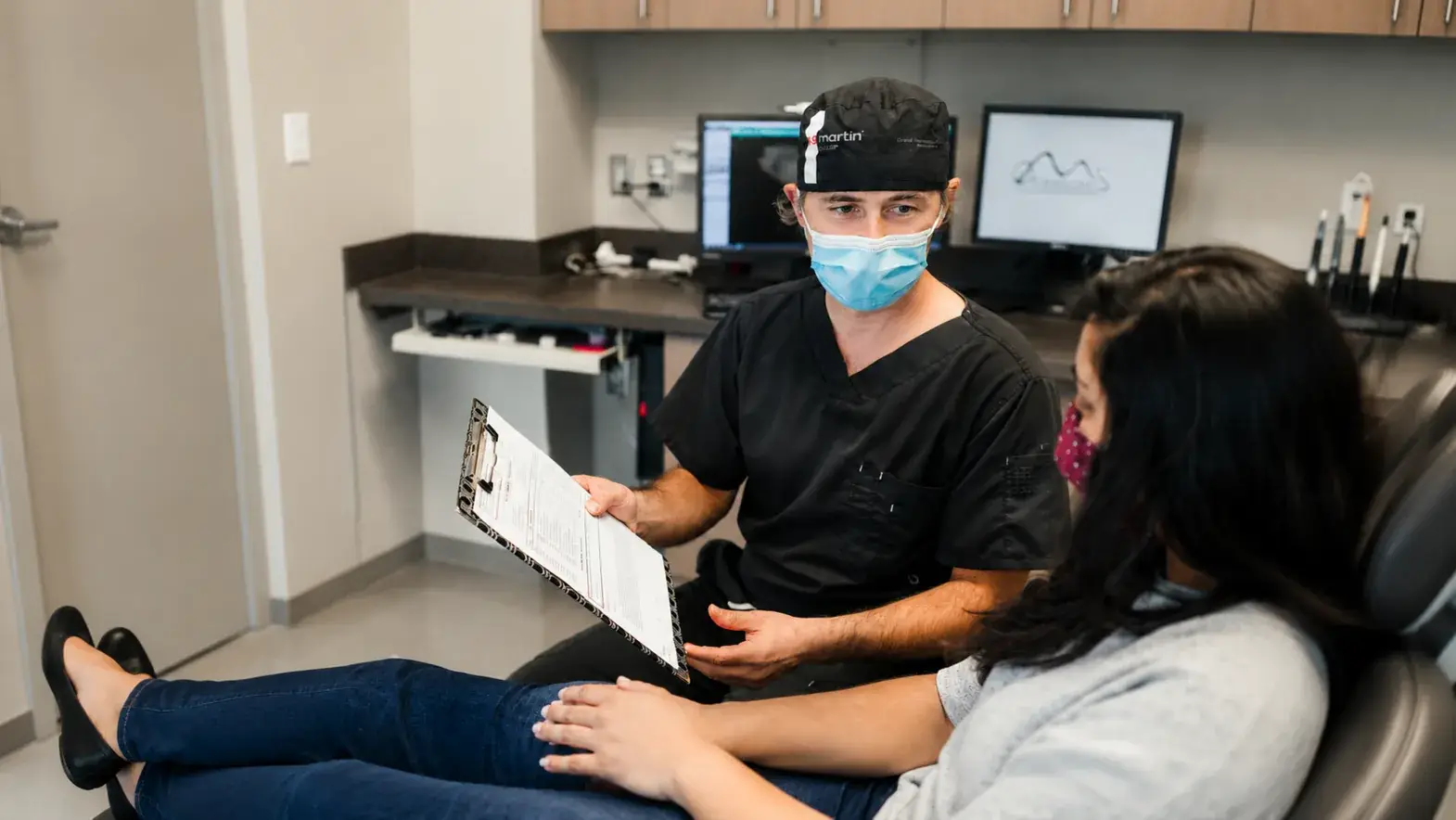
Surgeon reviewing a form with a patient

Your surgeon assesses your oral health, reviews diagnostic imaging and coordinates the surgical plan with your restorative provider.

2

Implant Placement

3D dental imaging on a monitor

The implant is surgically placed in the jawbone using an anesthesia approach appropriate for your procedure and medical history.

3

Healing and Follow-Up

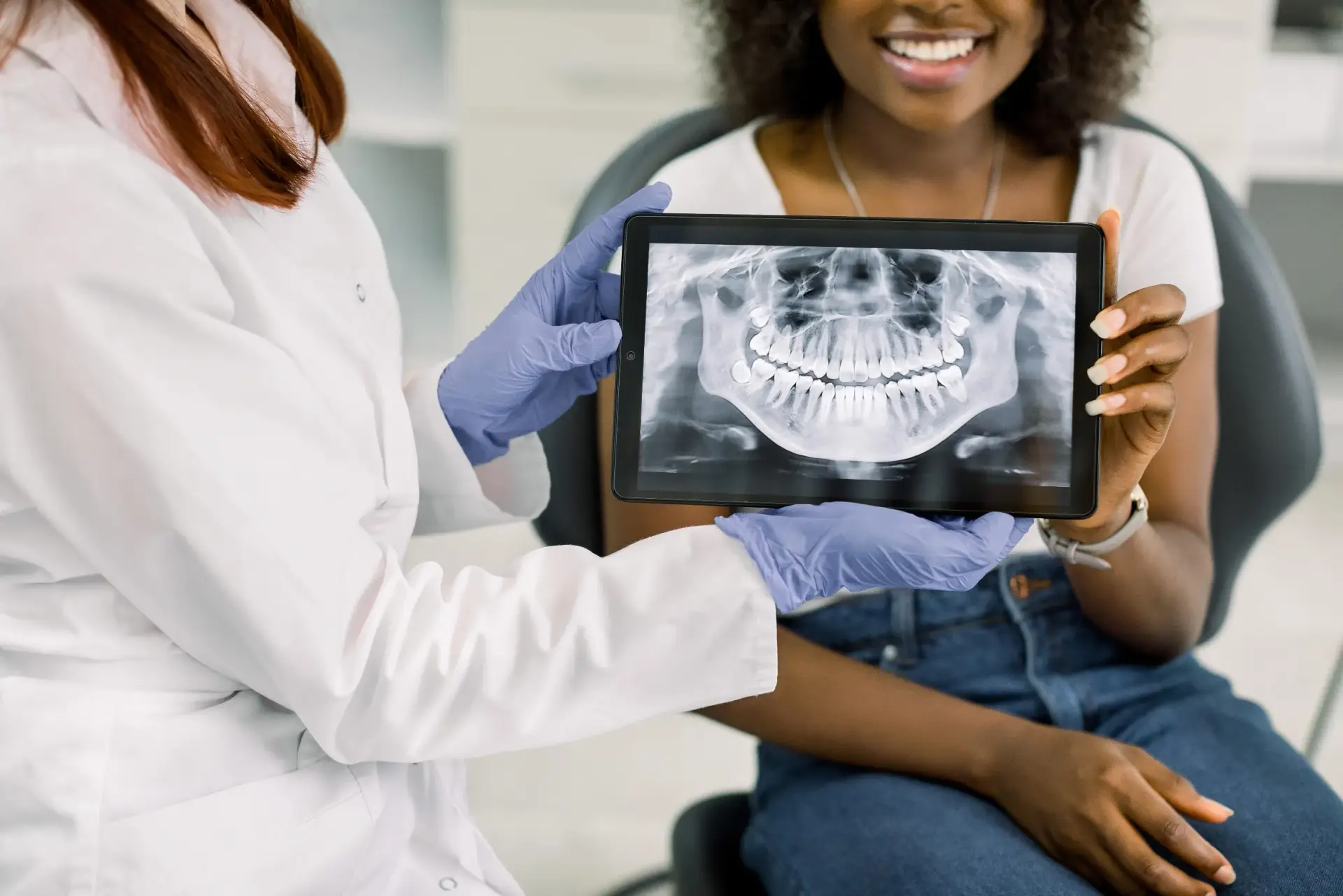
Patient holding a dental x-ray tablet

The surrounding bone gradually heals around the implant. Healing time varies depending on your anatomy and treatment plan.

4

Final Restoration

Kelowna office building

Once the implant is ready, your dentist or restorative provider completes the crown, bridge or other planned replacement teeth.

3D dental imaging on a monitor

Recovery After Dental Implant Surgery

Some swelling, tenderness and minor bleeding can occur after dental implant placement. Recovery varies depending on the procedure and whether additional treatment, such as bone grafting, was performed.

Your surgical team will provide postoperative instructions covering oral hygiene, eating, activity and caring for the surgical area.
Advanced Planning and Implant Care

Some patients require additional surgical preparation or more complex treatment planning. Our surgeons assess each case and recommend an approach based on individual needs.

Bone Grafting for Dental Implants

If there is insufficient jawbone to support an implant, bone grafting may help preserve or rebuild the treatment area. This can include socket preservation, ridge augmentation or sinus grafting in selected cases.

Complex and Revision Implant Surgery

Significant bone loss, challenging anatomy or problems with an existing implant may require additional assessment and treatment. Depending on the findings, care may involve treating surrounding tissues, grafting or replacing an implant.

Anesthesia and Digital Planning

Local anesthesia and IV sedation are among the options available, with other approaches considered for selected cases. When appropriate, 3D imaging and digital planning help assess anatomy and coordinate implant positioning.

3D dental imaging on a monitor

Frequently Asked Questions About Dental Implants

Is Dental Implant Surgery Painful?

Local anesthesia is used to numb the surgical area. Depending on your procedure and medical history, sedation may also be an option. Your surgeon will discuss the appropriate approach during your consultation.

Answer to be confirmed by the clinic.

Answer to be confirmed by the clinic.

Answer to be confirmed by the clinic.

Answer to be confirmed by the clinic.

Surgeon reviewing a form with a patient

Request an appointment

Explore Your Dental Implant Options

Considering dental implants or need an assessment of an existing implant? Our oral and maxillofacial surgeons can help you understand your surgical options.

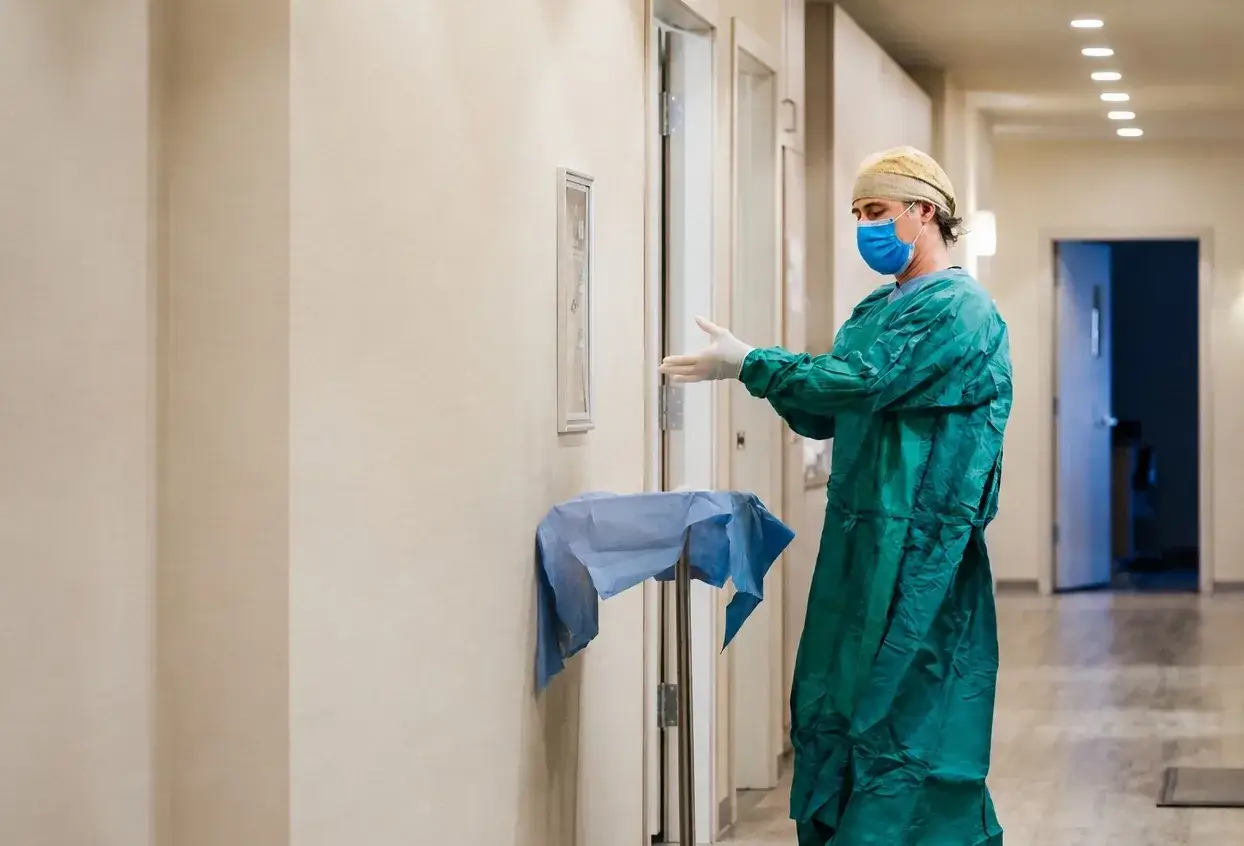
Surgeon in scrubs in a hospital corridor

Patient resources

Prepare for Your Visit

Find the forms, surgical instructions and practical information you need before and after your oral surgery appointment.

Our locations

Oral Surgery Clinics in Kelowna & Vernon, BC

Visit Okanagan Oral & Maxillofacial Surgery at either of our two locations in the Okanagan Valley.

Kelowna office building

Kelowna

400–550 West Avenue Kelowna, BC V1Y 4Z4

Monday to Friday: 8:00 a.m. to 4:00 p.m.

Vernon office building

Vernon

102–2540 53rd Avenue Vernon, BC V1T 9W1

Monday to Friday: 8:00 a.m. to 4:00 p.m.